
Fashion As A Form Of Everyday Storytelling For Men
Fashion has long been viewed as a practical necessity, yet its influence reaches far beyond utility. For men, the garments chosen each day can become a subtle yet powerful language, communicating identity, ambition, mood, and values without a single spoken word. Every outfit carries a message, transforming ordinary moments into opportunities for self-expression. In this way, fashion becomes a form of everyday storytelling, allowing individuals to shape how they present themselves to the world.
Every story begins with a character, and personal style serves as an introduction to that character. The colors, textures, and silhouettes selected each morning reflect aspects of personality that words may struggle to capture. Some individuals prefer understated looks that communicate confidence through simplicity, while others embrace bolder choices that reveal creativity and energy. Neither approach is right nor wrong. Instead, each choice contributes to a unique narrative that evolves over time.
The clothing a man wears often reflects the different roles he occupies throughout life. Professional responsibilities, social gatherings, creative pursuits, and moments of relaxation each inspire different expressions of style. Just as a story unfolds through various chapters, personal style adapts to different situations while remaining connected to a consistent sense of identity. This flexibility allows fashion to become both practical and meaningful, serving changing needs without losing authenticity.
One of the most compelling aspects of fashion is its ability to communicate confidence. When a man feels comfortable and aligned with his appearance, that confidence naturally influences posture, attitude, and interactions. The right combination of garments can help create a sense of readiness for challenges and opportunities alike. Rather than drawing attention solely to appearance, thoughtful dressing often enhances presence, allowing personality and character to shine more clearly.
Fashion also preserves memories. Certain garments become associated with meaningful experiences, achievements, and milestones. A favorite jacket may recall a memorable journey, while a well-loved shirt might evoke memories of an important occasion. Over time, clothing can become intertwined with personal experiences, transforming everyday pieces into reminders of significant moments. These connections add depth to a wardrobe, turning it into a collection of stories rather than simply a collection of garments.
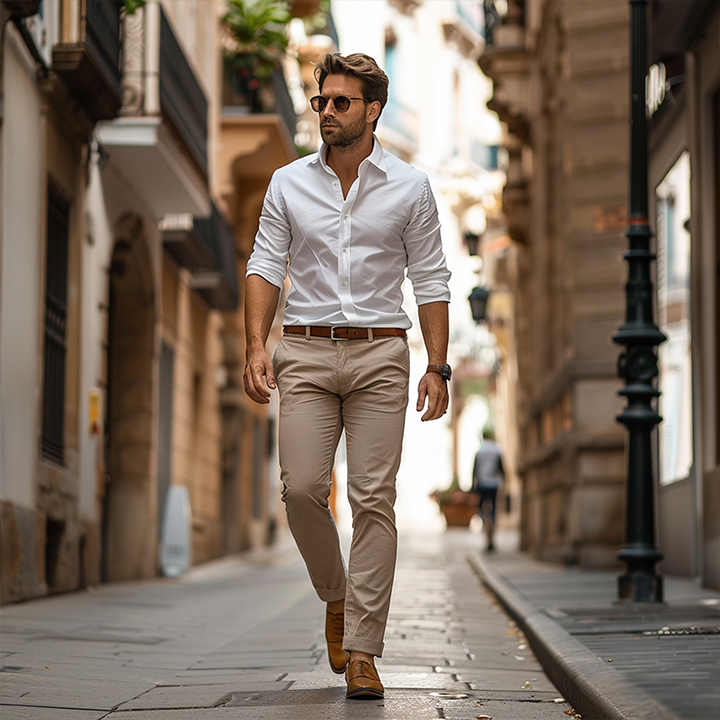
Another important element of fashion storytelling is intention. The choices made each day often reflect priorities and aspirations. Selecting refined, well-considered pieces can communicate professionalism and attention to detail. Relaxed and comfortable ensembles may express ease and approachability. Creative combinations can reveal curiosity and individuality. Through these decisions, men actively participate in shaping the narrative they present to others and, perhaps more importantly, to themselves.
Fashion storytelling is not about following every emerging trend or constantly seeking something new. Authentic style is built through understanding personal preferences and embracing what feels genuine. Trends may come and go, but a strong sense of identity remains valuable regardless of changing influences. When personal style reflects individuality rather than imitation, the resulting story feels more compelling and believable.
The relationship between fashion and storytelling becomes even more meaningful when viewed as a form of self-discovery. Experimenting with different looks encourages individuals to explore new aspects of their personalities. Over time, these experiences help define preferences and refine personal style. What begins as a simple choice of clothing can evolve into a deeper understanding of confidence, creativity, and self-expression.
Modern fashion offers countless possibilities for building a wardrobe that reflects personal narratives. Thoughtful combinations, contemporary silhouettes, and carefully selected colors allow men to create looks that feel distinctive while remaining practical. The goal is not perfection but authenticity. A meaningful style story emerges when choices align with character, values, and lifestyle rather than external expectations.
Ultimately, fashion serves as one of the most accessible forms of everyday storytelling. It allows men to express individuality, celebrate personal journeys, and communicate confidence through visual expression. Each garment contributes a sentence, each outfit forms a chapter, and each day presents an opportunity to continue the narrative. By approaching fashion with intention and self-awareness, men can transform routine dressing into an ongoing story that reflects who they are, where they have been, and the person they aspire to become. Through this perspective, style becomes more than appearance—it becomes a living narrative written one day at a time.