The Relationship Between Confidence And What Women Wear
Confidence is often described as an internal quality, shaped by mindset, experiences, and self-perception. While confidence certainly begins within, the way women choose to present themselves can significantly influence how they feel throughout the day. Clothing is more than a practical necessity; it is a form of self-expression that can affect emotions, behavior, and overall presence. The relationship between confidence and what women wear is both personal and powerful, demonstrating how style can support a stronger sense of self.
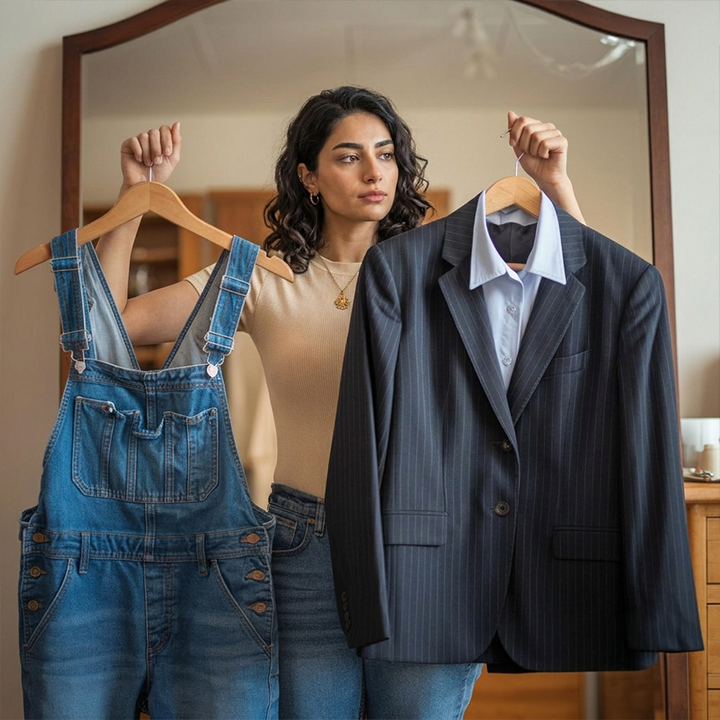
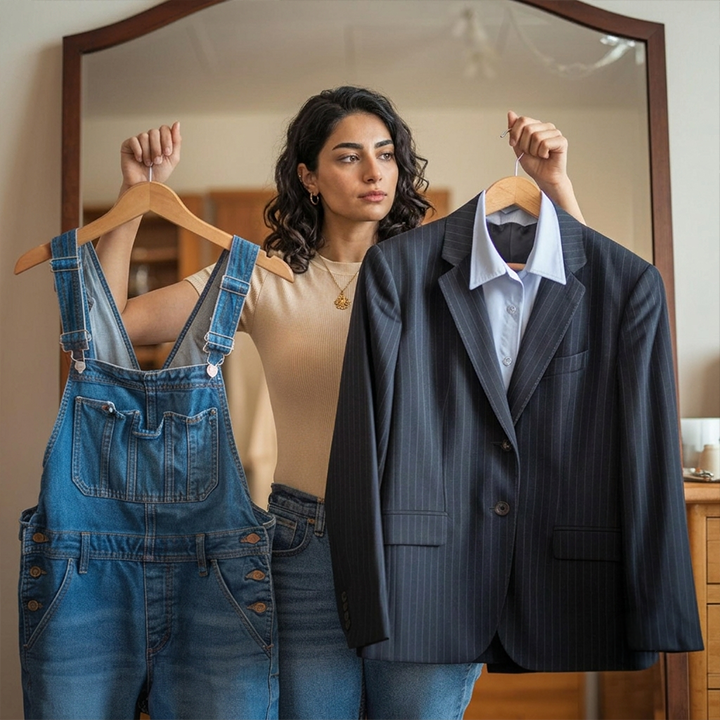
Every day begins with a series of choices, and selecting what to wear is one of the most important among them. The garments chosen for a particular occasion often influence mood and mindset before the day even begins. When women wear clothing that aligns with their personality and preferences, they often feel more comfortable and assured. This sense of alignment creates a foundation for confidence, allowing individuals to focus less on appearance and more on engaging with the world around them.
Fashion provides an opportunity to communicate identity without speaking. Personal style reflects preferences, values, creativity, and individuality. When clothing feels authentic, it becomes a natural extension of character rather than a disguise. This authenticity can strengthen confidence because it allows women to present themselves honestly and comfortably. Rather than conforming to external expectations, personal style encourages self-expression, helping individuals feel more connected to who they are.
Comfort also plays an essential role in building confidence. Clothing that allows freedom of movement and supports everyday activities contributes to a positive experience throughout the day. When garments feel comfortable and practical, women are less likely to be distracted by discomfort or self-consciousness. Instead, they can focus on their goals, conversations, and experiences. Confidence often flourishes when attention shifts away from appearance and toward meaningful engagement with daily life.
The colors and textures women choose can also influence how they feel. Different tones often evoke different emotions, and thoughtful color selection can contribute to a desired mood or atmosphere. Soft and calming shades may encourage a sense of ease, while richer tones can create feelings of energy and determination. Similarly, fabrics with pleasing textures can enhance comfort and satisfaction. These subtle elements contribute to an overall sense of confidence by supporting emotional well-being and self-assurance.
Confidence is not necessarily about attracting attention. In many cases, it comes from feeling comfortable in one's own skin and making choices that feel personally meaningful. Women who understand their preferences and embrace them often develop a stronger sense of self-confidence. Rather than seeking approval from others, they focus on expressing their individuality through clothing that feels genuine and representative of who they are. This shift in perspective creates a more lasting and authentic form of confidence.
The relationship between fashion and confidence is also closely connected to preparation. When women feel appropriately dressed for an occasion, they often approach situations with greater ease and certainty. Whether attending a professional gathering, meeting friends, or enjoying a personal outing, thoughtful clothing choices can create a sense of readiness. This preparedness helps reduce uncertainty and allows confidence to emerge more naturally.
Fashion can also serve as a tool for personal growth. Exploring different styles and experimenting with new combinations encourages self-discovery. Through this process, women often learn more about their preferences, strengths, and individuality. Every experience contributes to a deeper understanding of personal style, helping build confidence over time. The journey is not about achieving perfection but about becoming more comfortable with self-expression and embracing authenticity.
Another important aspect of confidence is consistency. Developing a personal style that aligns with individual values and preferences creates a sense of familiarity and trust. Women who feel connected to their clothing choices often experience greater confidence because their outward appearance reflects their inner identity. This consistency strengthens self-assurance by creating harmony between how they feel and how they present themselves.
Social interactions can also be influenced by confidence in appearance. When women feel comfortable and authentic in what they wear, they often engage more openly with others. Confidence can affect posture, communication, and overall presence, creating positive impressions and encouraging meaningful connections. While clothing alone does not define confidence, it can support the mindset that allows confidence to flourish.
It is important to recognize that confidence looks different for everyone. There is no single style, color palette, or approach that guarantees self-assurance. What matters most is finding clothing that feels authentic, comfortable, and aligned with personal preferences. Confidence grows when women embrace their individuality rather than comparing themselves to others or attempting to fit into predefined expectations.
Ultimately, the relationship between confidence and what women wear is rooted in self-expression, comfort, and authenticity. Clothing has the power to influence mood, support individuality, and enhance a sense of readiness for everyday experiences. When women choose garments that reflect who they are and how they want to feel, fashion becomes more than appearance. It becomes a valuable tool for building confidence, celebrating identity, and navigating life with greater assurance. Through thoughtful choices and self-awareness, women can create a wardrobe that not only reflects their style but also strengthens their confidence every day.